
Introduction
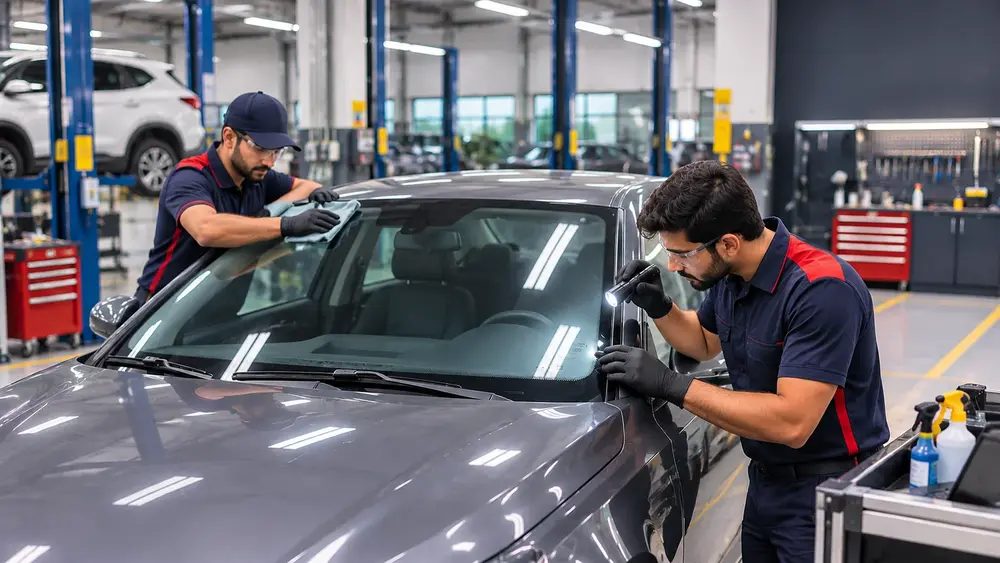
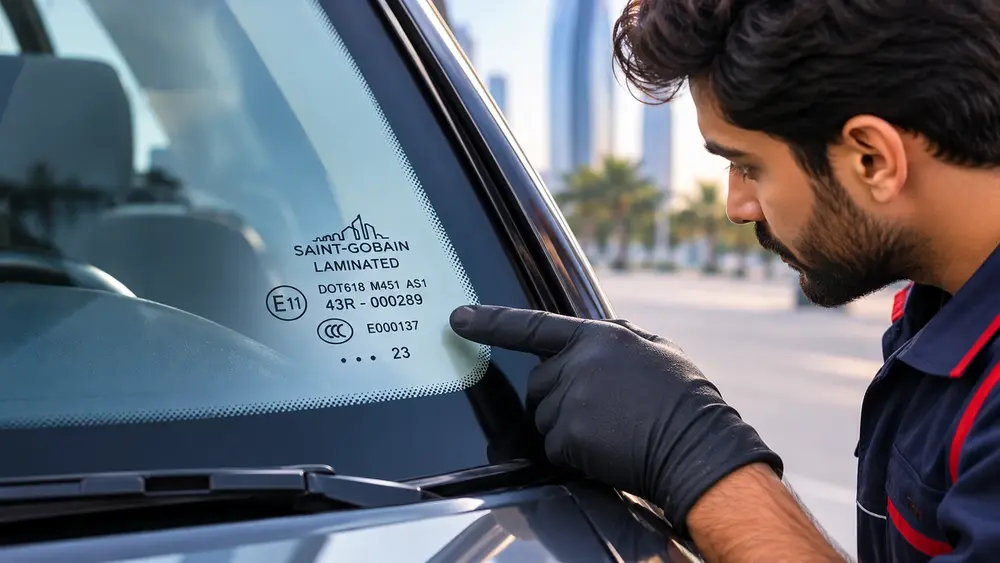
Look closely at the corner of any car window, and you will find a small block of printed letters, numbers, and symbols. Most drivers never notice it. Yet this small label tells you a lot about the Automotive Glass fitted to your vehicle: who made it, what type of glass it is, which safety standards it meets, and sometimes when it was produced. Knowing how to read these markings helps UAE drivers check a replacement, compare quotes, and spot glass that may not be what was promised. Windmaster Autocare LLC explains what each part of the code means.
Where to Find the Markings
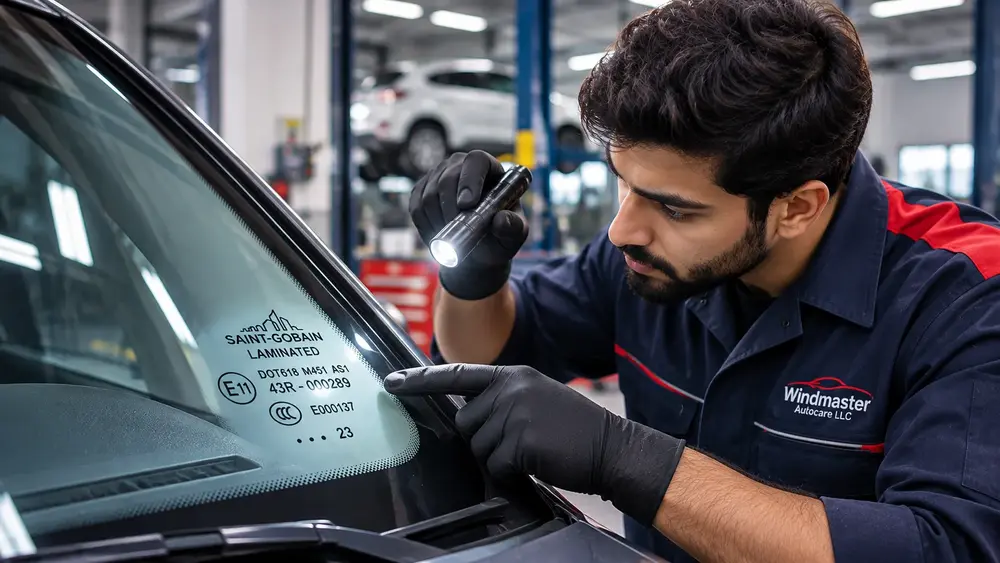
The label, often called the "glass bug," is usually printed in a lower corner of each window. On the windscreen it is normally at the bottom, near the passenger or driver side. Side and rear windows carry their own label too. Every pane of Automotive Glass should have one, because each pane is certified on its own.
The Key Parts of the Code
While layouts vary between makers, most labels include the same core details:
- Manufacturer name or logo, which shows who produced the glass
- Glass type, often written as "Laminated" or "Tempered"
- E-mark, a circled "E" with a number, showing approval under European (UN ECE) rules
- DOT number, used for glass approved for the US market
- Other approval marks, such as Chinese CCC or other regional symbols
- Date code, shown as dots and a number that point to the month and year of production
- Not every label has every mark. Glass made for different markets may show different approvals, which is normal in the UAE, where cars arrive in GCC, US, European, and Asian specifications.
Laminated Versus Tempered Glass
The glass type on the label is one of the most useful details to understand.
Laminated glass
Windscreens use laminated glass. It is two sheets of glass bonded around a thin plastic layer. When it breaks, the pieces stick to the plastic instead of falling into the cabin. This is why a windscreen can crack but stay in one piece. Some newer cars also use laminated glass on side windows for better noise and security.
Tempered glass
Most side and rear windows use tempered glass. It is heat-treated to be much stronger than normal glass. When it does break, it shatters into small, blunt pieces rather than sharp shards. Tempered glass cannot be repaired. Once it breaks, the whole pane must be replaced.
Why the Markings Matter When Glass Is Replaced
The label is your best quick check after any replacement. If your car came with glass from one brand and the new pane shows another, that is not always a problem. Quality aftermarket Automotive Glass can meet the same safety standards. But you should have been told about the change before the work began.
The markings also help you confirm features. A windscreen built for a head-up display, rain sensor, or heated wipers may show extra symbols or a different part code. Fitting a plain windscreen to a car that needs these features can cause image ghosting on the display or sensors that stop working.
Red Flags to Watch For
A few signs suggest you should ask more questions:
- No label at all on a newly fitted pane
- A label that looks scratched off or covered
- A glass type that does not match its position, such as tempered glass in a windscreen
- A brand name you were not told about when you agreed the quote
A professional provider will happily show you the markings and explain them.
Related Blog Post : Automotive Glass Services in Abu Dhabi: What Every Driver Should Know
A Quick Check You Can Do in Two Minutes
You do not need any tools to check your glass. Next time the car is parked, look at the corner of each window and note the brand, the glass type, and the approval marks. Take a photo of the windscreen label for your records. If you ever need a replacement, this photo helps the technician order the right part first time, especially for cars with sensors, a head-up display, or acoustic glass. It also gives you an easy way to compare the old and new labels after the work is done.
Conclusion
Those few lines of print in the corner of your windows tell the full story of the glass protecting you every day. Understanding Automotive Glass markings gives you the confidence to check any replacement and ask the right questions. Windmaster Autocare LLC is always open about the glass it supplies and fits. Contact Windmaster Autocare LLC today for a clear, honest assessment of your vehicle's glass.